Gender Expression
Gender Expression · 11 entries
Expression is presentation: dress, haircut, stance, voice, the way somebody is read across a room. It is a separate axis from identity, and the separation is the most useful structural decision this catalogue makes, because conflating the two is what most confused searches about this vocabulary are about. Butch describes a way of carrying oneself that a woman, a Trans man or a non-binary person can all take up, and the entry says so in a line that every expression entry carries.
The words here come mostly from communities rather than from dictionaries, and several of them are older than the identity vocabulary they now sit beside. The entries print that history, because an expression term with a documented life in mid-century bars is a different kind of word from one coined to fill a gap in a glossary. Where a term is argued over, and butch is the clearest case, the entry gives the positions with the people who hold them rather than settling it. Femme and Gender-nonconforming are filed here for the same reason and carry the same line.
Of this kind
All 11 gender expression
11 entries
- ButchMasculine presentation out of the 1940s working-class lesbian bar culture, and the unsettled argument over whether it is a style or a gender.

- Cross-dresserA word for wearing another gender's clothing that refuses to say why, adopted in place of transvestite, and dated by decades of dictionary disagreement.

- Drag kingA stage role dating from 1972, with roots in music-hall male impersonation, and a scene that reached television decades after the drag queens did.

- Drag queenA performance role, not a gender: the New York term from the 1950s that began as a boundary between amateurs, street queens and paid impersonators.

- FemboyA feminine presentation worn by a boy or young man, in print since 1981 and general use since 2020, and not an answer to what anyone's gender is.

- FemmeFeminine presentation out of 1940s working-class lesbian bar culture, the paired term to butch, and the argument over who may claim the word.

- Gender benderDeliberate subversion of expected gender roles and dress, out of gay liberation and glam rock in the 1970s, where it was first called genderfuck.

- Gender-nonconformingExpression that departs from the norms expected of a gender, dated by Merriam-Webster to 1991, and used far more by institutions than about oneself.

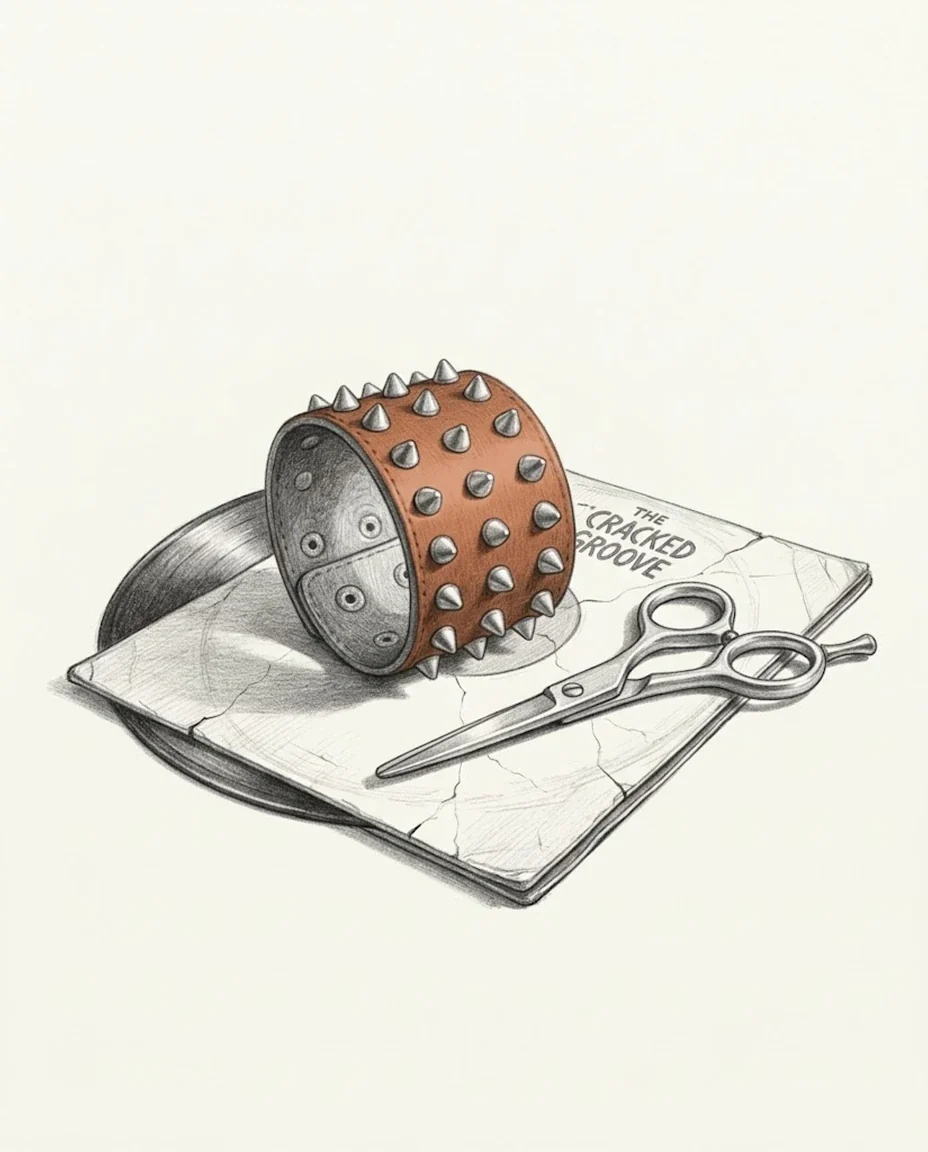
- GenderpunkConscious resistance to gender normativity carried over from punk subculture, treated by its own sources as both a culture and a gender, and never dated.
- TomboyA word that meant a boisterous boy in 1533 and an immodest woman in the 1570s before it settled on girls, and has held that sense for four centuries.

- TransvestiteCoined by Magnus Hirschfeld in 1910, a psychiatric diagnosis for most of the twentieth century, and now largely replaced in English by cross-dresser.

Keep going
The other kinds of term
- Gender IdentitiesWhat a person is, as against how they present. Every identity term in the catalogue, with the record behind it.53
- Culture-Specific GendersRoles belonging to particular peoples, recorded on their own terms rather than as versions of a Western category.41
- PronounsThe table first, then the sentences. Every set in all five forms, with the date it was first recorded.9
- Concepts and TerminologyThe words that appear inside the definitions of other words, with their defining documents named.8
Common questions
Questions about gender expression
What is the difference between gender identity and gender expression?
Identity is what a person is; expression is how they present. The two vary independently: a person of any identity can present in any way, and reading a presentation as a claim about somebody's gender is where a great deal of misdescription starts. Every entry filed under expression carries an explicit line saying it is not an identity term.
Can somebody be butch and not a lesbian?
Yes, and the sources record it. The word grew in mid-century lesbian communities and carries that history, but it is applied now by people across identities, including trans men and non-binary people, and it is also used adjectivally of anybody read as masculine. The entry records both the community history and the wider current use.
Is androgynous an identity or an expression?
As the sources use it, an expression. It describes a presentation that a reader cannot sort into masculine or feminine, which is a statement about how somebody is perceived rather than about what they are. A person who presents androgynously may hold any identity, and several who do describe themselves as men or women.
Why are there so few expression terms?
Because the vocabulary is smaller and older, not because the catalogue is thin here. Presentation terms accumulate slowly inside communities and are rarely coined deliberately, where identity labels have been minted in numbers online since the early 2010s. The group grows as terms with a documented history are researched rather than by adding coinages.